

In the past year, agents from the government institution for native communities traveled over a vast distance through lush Amazon jungle on the southern edge of the Amazon basin. Their mission was to survey and help protect an Indigenous group with no contact with the contemporary society.
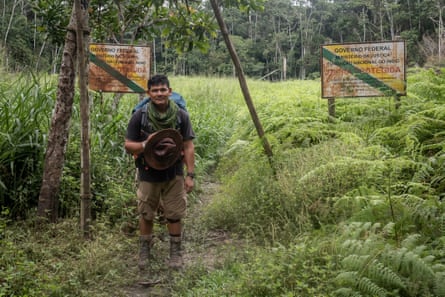
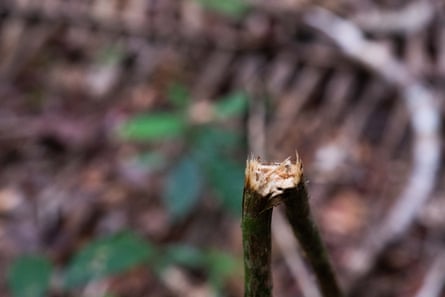
Their findings included a freshly woven container made from palm fronds, a youthful tracks by a creek, and logs freshly cut to collect bee honey. They also found old huts slowly decaying and remnants of foraged food near old fire pits. These were all telltale indicators that the Pardo River Kawahiva remained in the area.
Bureaucratic Delays Hinder Mandated Defense
Despite a high court order mandating a set of protective measures for the vulnerable tribe, the national authorities has not followed through. The legal requirements included fast-tracking the boundary setting of their territory and detailing forest protection strategies.
Red tape, funding shortages, and hostile clashes—including aggressions by leaders associated with the timber trade—have effectively blocked the entire process.
Without established perimeters, timber companies and cattle farmers continue to encroach, leaving the Kawahiva in imminent danger of physical elimination. Rights groups label the delay a willful and deadly violation of the Brazilian law.
“The inaction in territorial recognition is not only illegal, it is also extremely dangerous.”
Encroaching Deforestation
The planned 400,000-hectare reserve has yet to receive complete legal status, as stipulated by law. It is considered the largest unprotected forest in Brazil that is inhabited by uncontacted Indigenous people.
Immediately beyond the territorial limits, the scene changes dramatically. The vegetation is cleared for ranching. Barbed wire and barriers are being erected, and new roads are extending deeper into the pristine forest.
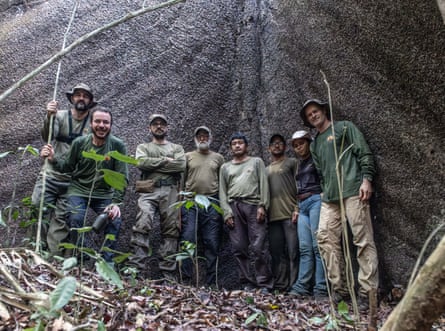
Following the expedition, a agency head for land defense promised to resolve the situation. “We are employing every available means to make certain that the Kawahiva land receives protection,” the official stated.
Financial Obstacles and Escalating Tensions
The official mapping of the vast territory involves setting up official signs. This is seen as a crucial action to demonstrate to outside interests that the authorities are committed about protection. However, the work is on hold.
Money has been a key challenge. Initial plans to use environmental mitigation money from a highway project were unsuccessful. The agency has since sought other sources.
It has now turned to a technical academic body. “This is a collaborative effort that we’ve already had success with,” explained an official. “The on-ground work is scheduled to begin in early 2026.”
The institute stated that discussions were advanced but did not specify when work would begin.
Complicating everything is what officials term a “conflictual situation in the region,” which is expected to require an law enforcement escort during any field operations.
Hostile Actors
The potential for conflict is real. In 2018, an hostile mob assaulted a field station in the territory, resulting in a gun battle where one attacker was killed. More recently, national force officers were present in the area.
Earlier this year, an audio recording surfaced in which a man, claiming to be a local leader, made threats against the lead field agent. The individual, connected to local loggers, claimed to have conducted an expedition “trying to find those isolated Indians.”
He is under indictment for several offenses, including charges related to the attempted murder on the agent. “Our operations are hindered because of this guy,” the man said in the recording.
A Closing Window
Anthropologists and experts point out that it has been over two decades since the location of the Kawahiva community was documented. “In all these years, illegal settlers have fought against the protective measures in court,” noted one expert.
They raise a concerning idea: that the current delay is a political obstacle rather than a procedural one. This leads to concern that action may not happen even in the near future.
The upcoming elections adds urgency. Many believe that the current term represents the closing window for this demarcation effort to be completed, before a potential administration change could freeze protective measures, as occurred in the past.
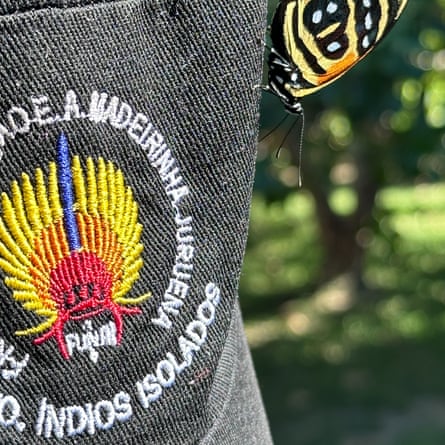
The legal ruling was the result of a case filed by a coalition of native peoples. The court highlighted the “threat of elimination, food insecurity, and cultural loss” facing the community.
A lawyer involved described the process as “at a standstill,” with the court awaiting compliance. The risks of inaction are stark. “It is also extremely dangerous and threatens the survival of the isolated Kawahiva,” warned a representative from an campaigning body.


