
The most significant jump-scare the cinema world has encountered in 2025? The return of horror as a dominant force at the UK box office.
As a style, it has notably surpassed earlier periods with a 22% rise compared to last year for the British and Irish cinemas: £83,766,086 in 2025, versus £68.6 million last year.
“Previously, zero horror films made £10 million in the UK or Ireland. Currently, five have surpassed that mark,” comments a box office editor.
The big hits of the year – a recent horror title (£11.4 million), Sinners (£16.2m), the latest Conjuring installment (£14.98 million) and the sequel to a classic (£15.54 million) – have all remained in the theaters and in the popular awareness.
Although much of the expert analysis highlights the standout quality of certain directors, their achievements indicate something evolving between audiences and the category.
“Viewers often remark, ‘This is a must-see regardless of your genre preferences,’” says a content buying lead.
“Films like these play with genre and structure to create something completely different, and that speaks to an audience in a different way.”
But outside of aesthetic quality, the consistent popularity of horror movies this year implies they are giving audiences something that’s much needed: therapeutic relief.
“These days, movies echo the prevalent emotions of rage, anxiety, and polarization,” observes a film commentator.
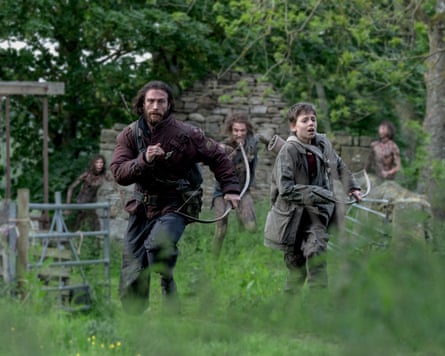
“Scary movies excel at tapping into viewers' fears, amplifying them, allowing you to set aside daily worries and concentrate on the on-screen terror,” says a noted author of vampire and monster cinema.
Amid a real-world news cycle featuring geopolitical strife, enforcement actions, extremist rises, and ecological disasters, witches, zombies and vengeful spirits connect in new ways with viewers.
“It’s been noted that vampire cinema thrives during periods of economic hardship,” states an performer from a successful fright film.
“This symbolizes the way modern economies can exhaust human spirit.”
Historically, public discord has always impacted scary movies.
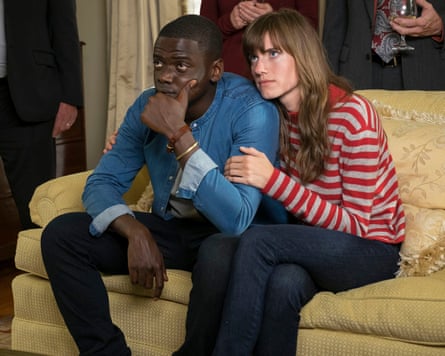
Scholars point to the boom of German expressionism after the the Great War and the unstable environment of the early Weimar Republic, with movies such as classic silent horror and Nosferatu: A Symphony of Horror.
Subsequently came the 1930s depression and iconic horror characters.
“The classic example is Dracula: you get this invasion of Britain by someone from eastern Europe who then causes this infection that gets spread in all sorts of ways and threatens the Anglo-Saxon heroes,” explains a academic.
“So it reflects a lot of anxieties around immigration.”
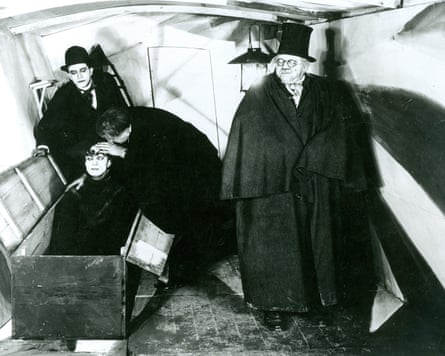
The specter of border issues influenced the recently released folk horror a recent film title.
The filmmaker explains: “My goal was to examine populist trends. For instance, nostalgic phrases promising a return to a 'better' era that excluded many.”
“Secondly, the idea that you could be with someone you know and then suddenly they blurt out something round the dinner table or in a Facebook post and you’re like, ‘Where did that come from?’”
Maybe, the present time of praised, culturally aware scary films commenced with a sharp parody released a year after a contentious political era.
It introduced a fresh generation of innovative filmmakers, including a range of talented artists.
“It was a hugely exciting time,” recalls a creator whose project about a murderous foetus was one of the time's landmark films.
“I think it was the beginning of an era when people were opening up to doing a really bonkers horror film which had arthouse aspirations.”
The same filmmaker, who is writing a new horror original, adds: “Over 10 years, audiences’ minds have been opening up to much more of that.”
At the same time, there has been a reconsideration of the overlooked scary films.
In recent months, a nicke l venue opened in the capital, showing underground films such as a quirky horror title, a classic adaptation and the late-80s version of the expressionist icon.
The renewed interest of this “gritty and loud” genre is, according to the venue creator, a direct reaction to the calculated releases produced at the box office.
“It counters the polished content from big producers. The industry has become blander and more foreseeable. Numerous blockbusters share the same traits,” he states.
“Conversely, [such movies] appear raw. As if they emerged straight from the artist's mind, untouched by studio control.”
Horror films continue to challenge the norm.
“Horror possesses a dual nature, feeling both classic and current simultaneously,” observes an authority.
In addition to the revival of the mad scientist trope – with two adaptations of a classic novel imminent – he forecasts we will see scary movies in 2026 and 2027 responding to our present fears: about tech supremacy in the years ahead and “monstrous metaphors in power structures”.
In the interim, a biblical fright story The Carpenter’s Son – which depicts the events of holy family challenges after Jesus’s birth, and stars well-known actors as the divine couple – is scheduled to debut in the coming months, and will certainly create waves through the religious conservatives in the US.</


